
Stop the water first, find out why second. Burst lines, sewer backups, dead water heaters and leaks that cannot wait for an appointment.
The Forum is a north-east Bend shopping centre on Highway 20 with grocery, bookstore and national retail tenants, in Bend's north-east side on Highway 20.
Grocery and food-service tenants put more grease and solids into a shared line than any other kind of retail.
Bend Plumbing Pros works this part of Bend the same way we work the rest of it — same crew, same equipment, same-day availability on most calls, and a free estimate before anything starts.
Call (888) 616-9423Sharp overnight freezes split hose bibs, crawlspace runs and garage lines in a single night
The pre-1960s core still runs galvanized supply and cast iron waste that fails without warning
Long private runs on big west- and south-side lots freeze in the uninsulated middle
Cottonwood, willow and ponderosa roots turn an October slow drain into a January backup
Second homes sit empty through cold snaps, so failures are found hours or days late
Soft water means an emergency here is structural or a blockage, rarely scale
What it is doing tells you whether it waits. Here is the short version.
| What You’re Seeing | What It Usually Means | What To Do First |
|---|---|---|
| Water coming through a ceiling or wall | A supply line has split, usually at a joint or a frozen section | Shut off the main, then call — do not wait to find the exact spot |
| No water at any fixture in cold weather | A line has frozen somewhere between the meter and the house | Leave taps cracked open and call before it thaws and ruptures |
| Sewage backing up at the lowest drain | Main line blockage or a failed lateral, not a fixture clog | Stop running water anywhere in the building and call |
| Water pooling around the water heater | Tank, T&P valve or a fitting has failed | Shut off the cold inlet and the gas or breaker, then call |
| Meter spinning with everything turned off | An active leak on the supply side, possibly underground | Shut the main and call — this one is billing you by the hour |
The honest answer is narrower than most people expect, and we would rather tell you that than book a premium call-out you did not need.
An emergency is anything actively putting water where it damages the building, anything leaving you with no usable water or no safe way to use a toilet, and anything involving sewage inside the living space.
A dripping faucet, a single slow drain, or a toilet that runs is not an emergency, even though it is annoying — those keep until normal hours and cost less then.
If you are not sure which category you are in, describe it on the phone and we will tell you straight, including when the answer is "shut that valve and we will see you Monday".
Before anyone arrives, the single most valuable thing you can do is stop the water.
Every Bend home has a main shutoff — usually at the meter near the street, sometimes in a crawlspace or garage on newer construction — and knowing where yours is before you need it is worth more than any service plan.
For a water heater failure, close the cold inlet valve on top of the tank and kill the gas or the breaker. For a sewer backup, stop running water anywhere in the building, because every flush and every load of laundry adds to what is already coming up. We will walk you through it on the call if you are not sure.
This is the failure mode that separates Bend from the valley.
At roughly 3,600 feet, overnight temperatures drop further and faster, and the damage usually happens in a specific sequence: a line freezes, the expanding ice splits the pipe, and nothing leaks until it thaws — which is often in the middle of the following afternoon when nobody is home.
The vulnerable spots are consistent: exterior hose bibs that were left connected to a hose, crawlspace and garage runs with no insulation, and the long private laterals on larger lots out toward the south and west edges. If you have no water on a cold morning, that is the window to call.
Thawing a frozen line before it ruptures is a fraction of the cost and mess of repairing it afterwards.
A blocked fixture affects one drain. A main line problem affects everything downstream of it, which is why the tell is multiple fixtures going at once and the lowest drain in the building — a basement floor drain, a ground-floor shower — backing up first.
In Bend the two usual causes are root intrusion into an older lateral and a structural defect: a bellied section holding standing water, an offset joint, or a collapsed run.
Clearing the blockage restores flow, but if the camera then shows a cracked or separated pipe, clearing it again in six months is not a plan. We show you the footage and give you the real options, including leaving a marginal line alone and monitoring it.
Emergency work legitimately costs more — someone is leaving their evening to get to you, and the truck carries the parts to finish rather than to diagnose. What it should not be is a number that appears only after the work is done.
You get the call-out figure before we dispatch and the repair figure on site before anything is cut, opened or replaced. If we get into it and the scope changes, we stop and tell you the new number first.
Typical ranges are published further down this page so you have a reference point before you ever pick up the phone.
Some calls end with a recommendation not to spend the money. A water heater a year from the end of its service life with a failed gas control valve is usually a replacement, not a repair.
A galvanized supply line that has split once will split again, and patching it section by section costs more over two years than repiping the run. A lateral with a single offset joint can often be spot-repaired; one with three is a lining or replacement conversation.
We would rather lose the repair ticket and give you the arithmetic than take it and have you call us back about the same pipe.
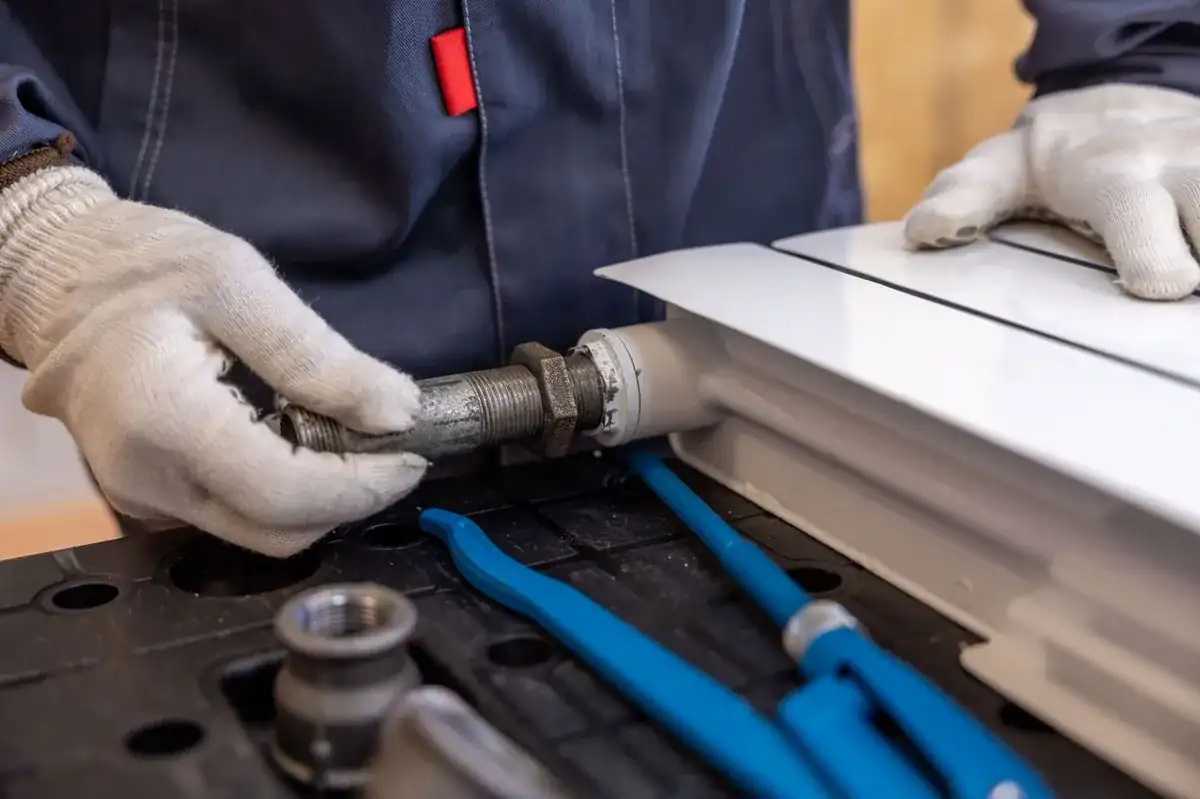
Stop the water, protect the building, then diagnose — in that order, on every call. We bring camera equipment, jetting and cable machines, and standard repair stock on the first trip so an after-hours visit does not turn into "we will come back tomorrow with the part."
Call (888) 616-9423General Bend-area ranges for budgeting — your exact price depends on access and on what we find. Call (888) 616-9423 for a free, specific estimate.
| Emergency Service | Typical Range |
|---|---|
| After-hours or same-day emergency dispatch | $100 – $350 |
| Burst or split pipe repair (accessible section) | $400 – $1,200 |
| Main shutoff or supply valve replacement | $200 – $600 |
| Emergency sewer backup clearing | $350 – $900 |
| Emergency water heater repair | $200 – $800 |
Ranges shown are typical Bend-area market pricing for reference only, not a quote. Every job gets a free, upfront estimate before we start.
Yes. The Forum sits in Bend's north-east side on Highway 20, which is inside our standard Bend service area. Call (888) 616-9423 and we will confirm your address and give you a realistic arrival window.
Most Bend calls get same-day service, and anything actively flooding or backing up moves ahead of routine appointments. Tell us what it is actually doing when you call — that sets the priority and tells us what to load on the truck.
Call (888) 616-9423 and describe what is happening. Active flooding, sewage indoors, and no-water situations in freezing weather are the calls that get prioritized ahead of routine appointments. If what you have will genuinely keep until morning, we will tell you that rather than book a premium call-out.
Water actively damaging the building, sewage inside the living space, no usable water, or no safe working toilet. A drip, a single slow drain, or a running toilet is not — those cost less handled in normal hours, and we would rather say so.
Most commonly at the meter near the street in a box you will need a key or a screwdriver to open.
On newer construction — anything from the 1990s on, which is most of Bend — there is often an accessible interior valve in the garage or crawlspace as well. Find yours before winter; it is the single most useful thing you can know about your own plumbing.
Yes, and it is the best possible time to call. A frozen line that has already split will not leak until it thaws, so the window while it is still frozen is when thawing it carefully costs a fraction of repairing a rupture and drying out a wall.
Most calls get same-day service, and active backups or flooding move ahead of routine slow-drain appointments. Tell us what it is actually doing when you call — that is what determines the queue position, and it also tells us what equipment to load.
Yes, and you get the number before we dispatch rather than after the work. Typical after-hours ranges are published in the pricing table on this page so you have a reference point in advance.
Regularly. A water heater near end of life with a failed gas valve, or a galvanized run that has already split once, is usually a replacement rather than a repair. We will give you both numbers and let you decide, including the option of doing nothing today.
Yes — restaurants, multi-unit buildings and retail properties across Bend, including shared main lines where a problem reported by one unit is actually affecting the whole building.
Shut off the main if water is escaping. For a water heater, close the cold inlet and kill the gas or breaker. For a sewer backup, stop using every fixture in the building. Move what you can off the floor.
Do not pour chemical drain cleaner into a line that is already backed up — it does not clear a main line and it makes the next two hours worse for whoever opens it.
Same-day availability across Bend, and a free estimate before any work starts.
(888) 616-9423 Request a Free Estimate