Plumbing emergency in Bend right now? Call (888) 616-9423
Serving all of Bend, OR & every neighborhood Same-day availability · evenings & weekends Free, upfront estimates
Sewer Line Repair in Southeast Bend — Bend Plumbing Pros
Southeast Bend · Bend, OR

Sewer Line Repair in Southeast Bend

When the lateral itself has failed, clearing it again is not a fix. We repair and replace sewer lines, and show you the footage behind the recommendation.

Same-day availability Free upfront estimates Diagnosed before it is quoted Licensed, bonded & insured
Same-Day AvailabilityActive backups jump the queue
Free Upfront EstimateQuoted on site, before we start
Licensed, Bonded, InsuredOn every job, every neighborhood
Southeast Bend

Why Southeast Bend Homes Need Sewer Line Repair

Southeast Bend is an official City of Bend neighborhood association covering the city’s south-east quadrant, one of the fastest-growing parts of town.

Southeast Bend runs on a mix of established south-east streets and large recent subdivisions on modern PVC. Build dates span decades here, so the right approach on one street is the wrong one two blocks over.

Call (888) 616-9423
Why Bend Laterals Fail
  • Roots widen the joint they came through, so a twice-cut line is a worse line

  • Vitrified clay and cast iron in the older core separate at joints as ground moves

  • Orangeburg pipe from the mid-1940s to early 1970s goes oval and fails invisibly

  • Freeze-thaw shifts the bedding under a lateral, producing offsets and bellies

  • Long laterals on large lots have more joints and more room for a belly to form

  • Homes built before exterior cleanouts have no proper access until one is installed

Bend Plumbing Pros serving Southeast Bend, Bend, OR
SE Bend

What Southeast Bend Actually Looks Like

The south-east quadrant, where Caldera High School opened in 2021 to absorb growth — a fair signal of how much of this housing is genuinely new.

Get a Free Estimate
Diagnosis

What the Camera Finds, and What It Costs to Fix

What the camera finds decides the fix. These are the five things it usually shows.

What the Camera ShowsWhat It MeansThe Realistic Fix
Root mass at a joint, pipe otherwise roundRoots entering a joint that is still structurally soundCut and jet, then root treatment on a schedule
Offset or separated jointSections have shifted out of alignmentSpot repair of that section, or lining if the run is otherwise sound
Standing water in a low section (a belly)The pipe has sagged and no longer drains fullyExcavate and re-bed that section — lining does not fix a belly
Longitudinal cracking or an oval profilePipe is failing structurally, often Orangeburg or old clayLine or replace the run; clearing it again buys months
Full or partial collapseThe pipe has lost its shape and is blocking itselfReplacement of that section, by dig or pipe bursting
In Depth

How We Handle Sewer Line Repair in Southeast Bend

Cleaning Versus Repairing, and Why the Camera Decides

A cable machine or a jetter restores flow through a blockage. Neither one changes the shape of the pipe. If the line is round, sound and simply full of roots or grease, cleaning is the correct and much cheaper answer, and we will do exactly that.

If the camera shows a separated joint, a belly holding standing water, longitudinal cracking, or a collapsed section, then flow has been restored through a pipe that is still broken — and it will back up again on a schedule set by how bad the defect is.

That is the entire reason we inspect before recommending a repair, and why we show you the footage rather than describing it.

Spot Repair, Lining, or Full Replacement

These are three genuinely different jobs and the right one depends on what the camera found and where. A spot repair means excavating and replacing a single defective section — the right answer when one joint has offset and the rest of the run is sound.

Cured-in-place lining pulls a resin liner through the existing pipe and cures it into a new pipe within the old one, which suits a run with general cracking or multiple root entry points but an intact shape. It does not fix a belly, because a liner follows the sag it is cured into.

Full replacement, by open trench or by pipe bursting, is for runs that have collapsed, gone oval, or are Orangeburg. Anyone who quotes one of these without a camera inspection is guessing.

Trenchless Is Not Always Cheaper, and Not Always Possible

Trenchless methods get sold on the promise of not digging up a driveway, and when they fit they are genuinely the better option.

But they need access pits at each end, the existing line has to be in a condition the method can work with, and per-foot pricing on lining can exceed a short open-trench repair on a shallow, accessible run.

Pipe bursting needs room to pull and will not work where the line runs close to other utilities. We price the options that actually apply to your line and property rather than leading with the one with the best marketing.

Orangeburg and Clay: the Two Bend Materials That Change the Answer

Two pipe materials shift the recommendation as soon as the camera identifies them. Vitrified clay, common in Bend’s pre-1960s core, is rigid and durable but jointed every few feet, and those joints are exactly where roots enter and where ground movement produces offsets.

Orangeburg — bituminised fibre pipe used roughly from the mid-1940s into the early 1970s — is a different problem: it delaminates from the inside and deforms into an oval, and a line that has gone oval cannot be cleaned back into service.

Identifying Orangeburg on camera generally ends the repair conversation and starts a replacement one, and it is better to know that before spending money clearing it twice.

The Cleanout Problem in Older Bend Homes

Every sewer repair and most sewer cleaning needs a proper access point — a capped cleanout that lets us feed a camera, a cable or a jetting hose directly into the lateral. Bend’s mill-era housing, concentrated around Downtown, Old Bend, the Orchard District and River West, was largely built before exterior cleanouts were standard practice.

Working through an interior access point or a pulled toilet is possible but it limits what we can see and reach, and it makes every future visit slower and more invasive.

Installing a proper two-way cleanout near the property line is a genuine upgrade rather than just another line on the invoice, and it pays for itself the second time anyone needs to get into that pipe.

What We Will Tell You Not To Do

Three things come up often enough to be worth stating plainly. Repeated chemical treatment does nothing for root intrusion or a structural defect and corrodes older pipe on the way past.

Repeated cable clearing of a line with a known offset is a maintenance subscription, not a repair, and the cost of it over three years frequently exceeds fixing the pipe.

And replacing a whole lateral because one joint has failed is over-treatment — if the camera shows one defect in an otherwise sound run, a spot repair is the honest recommendation, and that is what you will get.
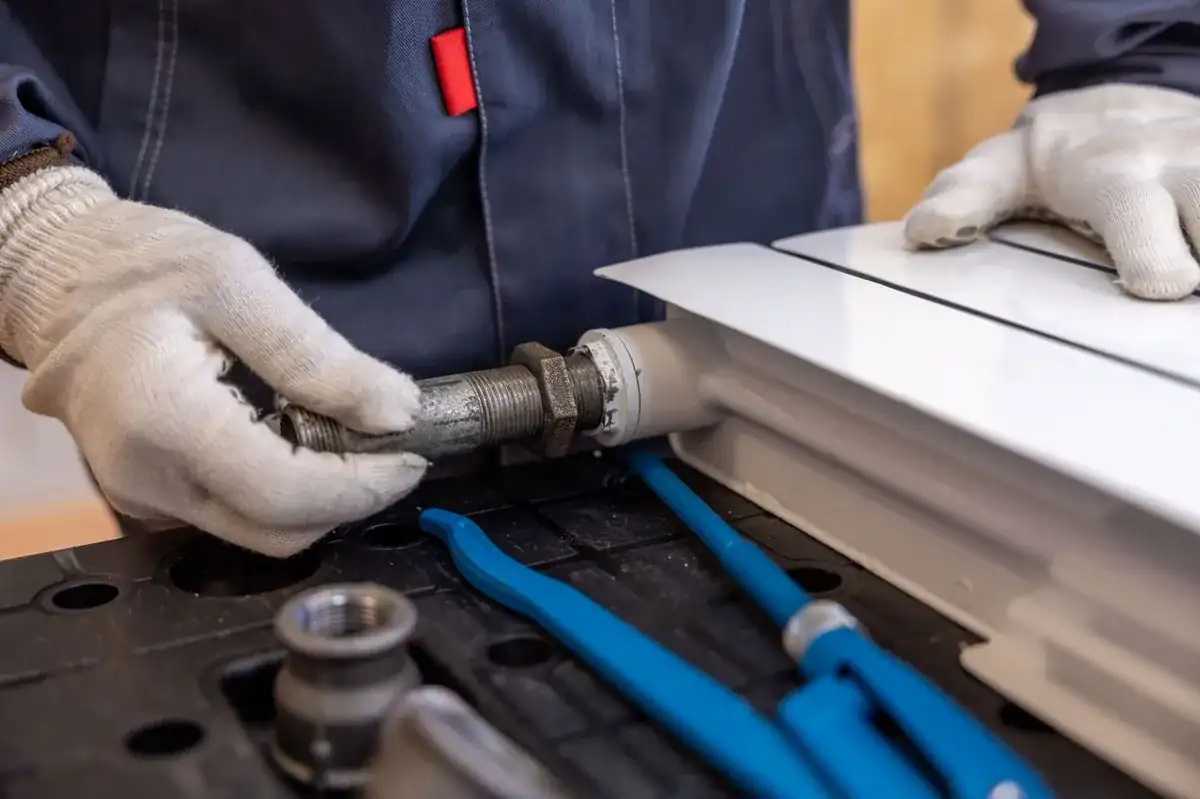
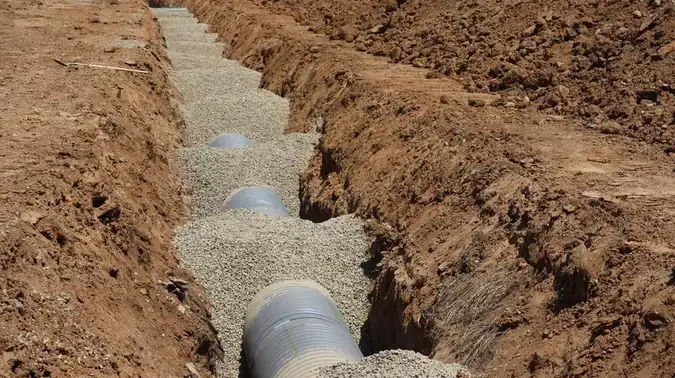
Sewer Line Repair equipment used by Bend Plumbing Pros in Southeast Bend
On The Job

How We Assess a Failed Lateral

Camera first, always, with the footage shown to you rather than described. The recommendation follows what the pipe actually looks like — spot repair, lining or replacement — and includes the option of monitoring a marginal line rather than digging it up today.

Call (888) 616-9423
Typical Rates

Typical Sewer Line Repair Pricing in Southeast Bend

General Bend-area ranges for budgeting. Your on-site estimate is free and specific to the job.

ServiceTypical Range
Camera inspection and line locate$175 – $450
Cleanout installation$600 – $2,000
Spot repair, single excavated section$1,200 – $3,500
Trenchless lining (cured-in-place)$80 – $250 per foot
Pipe bursting or full replacement$6,000 – $20,000+

Ranges shown are typical Bend-area market pricing for reference only, not a quote. Every job gets a free, upfront estimate before we start.

Questions

Frequently Asked Questions

Do you serve Southeast Bend?

Yes. Southeast Bend is part of our standard Bend service area, including the streets around Caldera High School and Bend Factory Stores. Same crew and the same equipment as anywhere else in the city, with same-day availability on most calls — call (888) 616-9423 to confirm a time.

How do I know if my sewer line needs repair rather than cleaning?

A camera inspection is the only honest way to tell. If the pipe is round and sound and simply full of roots or grease, cleaning is correct and much cheaper. If it shows a separated joint, a belly holding water, cracking or a collapse, cleaning restores flow through a pipe that is still broken.

What causes sewer lines to fail in Bend?

Root intrusion from mature cottonwood, willow, silver maple and ponderosa; joint separation in the vitrified clay and cast iron still running in the pre-1960s core; Orangeburg pipe from the mid-1940s to early 1970s delaminating; and freeze-thaw ground movement shifting the bedding under a lateral.

What is a belly, and can it be lined?

A belly is a sagging low section where the pipe no longer drains fully, so solids settle and build. Lining does not fix it — a liner follows the sag it is cured into. Bellies need the section excavated and re-bedded.

Is trenchless repair always better than digging?

Not always. Trenchless needs access pits, a line in workable condition, and room to pull; per-foot lining can cost more than a short open-trench repair on a shallow, accessible run. We price whichever options genuinely apply to your line rather than leading with one.

What is Orangeburg pipe and why does it matter?

A tar-paper composite used roughly from the mid-1940s into the early 1970s. It delaminates from the inside and deforms into an oval, and once it has gone oval it cannot be cleaned back into service. Spotting it on camera usually ends the repair conversation and starts a replacement one.

My house has no exterior cleanout. Is that a problem?

It limits what we can see and reach, and makes every future visit slower. Bend’s mill-era housing around Downtown, Old Bend, the Orchard District and River West was largely built before cleanouts were standard. Installing a two-way cleanout near the property line is a real upgrade, not just another invoice line.

Do I need to replace the whole line if one section failed?

Usually not. If the camera shows one defect in an otherwise sound run, a spot repair is the honest answer and that is what we will recommend. Full replacement is for runs that have collapsed, gone oval, or are Orangeburg throughout.

How long does a sewer repair take?

A spot repair is often a single day depending on depth and access. Lining is typically a day or two including cure time. Full replacement by trench or bursting takes longer and involves permitting and surface restoration, which we will lay out before you commit.

Can tree roots be stopped from coming back?

Cutting and jetting clears them, and scheduled root treatment slows regrowth, but roots return to an open joint because the joint is what is letting them in. If the camera shows the joint has widened, repairing it is what actually stops the cycle.

Need Sewer Line Repair in Southeast Bend?

Same-day availability, a free estimate before any work, and a real diagnosis before anyone recommends a repair.

(888) 616-9423 Request a Free Estimate
Call (888) 616-9423