Plumbing emergency in Bend right now? Call (888) 616-9423
Serving all of Bend, OR & every neighborhood Same-day availability · evenings & weekends Free, upfront estimates
Water Heater Repair near Cascade Village Shopping Center in Bend, OR — Bend Plumbing Pros
Bend's north side on Highway 97 · Bend, OR

Water Heater Repair Near Cascade Village Shopping Center

No hot water, not enough of it, or a leaking tank. We find what actually failed and tell you plainly whether repair is worth it.

Same-day availability Free upfront estimates Diagnosed before it is quoted Licensed, bonded & insured
Same-Day AvailabilityActive backups jump the queue
Free Upfront EstimateQuoted on site, before we start
Licensed, Bonded, InsuredOn every job, every neighborhood
Bend's north side on Highway 97

Water Heater Repair Around Cascade Village Shopping Center

Cascade Village is Bend's north-side open-air shopping centre on North Highway 97, anchored by large-format retail, in Bend's north side on Highway 97.

Retail and food tenants share main lines, so a single clogged branch can shut more than one unit at a time.

Bend Plumbing Pros works this part of Bend the same way we work the rest of it — same crew, same equipment, same-day availability on most calls, and a free estimate before anything starts.

Call (888) 616-9423
What Shortens a Water Heater Here
  • Tanks in unheated garages lose standby heat all winter and recover slowly

  • Cold incoming water means a tank adequate in July feels undersized in January

  • Soft water builds sediment slowly, so failures here are age and corrosion, not scale

  • Vacation rentals swing between heavy use and long idle, which is hard on a tank

  • Median home year 2001 puts a lot of original tanks past service life

  • Freeze exposure on the cold inlet and T&P discharge line is a real risk

Diagnosis

What Your Water Heater Is Telling You

Most failures resolve to one of a handful of parts. The tank body is the exception.

SymptomLikely CauseWhat We Do
No hot water at all, gas unitPilot, thermocouple or gas control valve failureTest the ignition chain and replace the failed component
No hot water at all, electric unitFailed heating element or thermostat, or a tripped high-limitTest elements and thermostats, replace what has failed
Hot water runs out much faster than it used toA failed lower element, a dip tube problem, or genuine undersizingDiagnose before recommending a larger tank you may not need
Water pooling under the tankTank corrosion, a fitting, or the T&P valve dischargingIdentify the source — a leaking tank body is not repairable
Rumbling or popping from the tankSediment on the tank floor, less common here than in hard-water areasFlush and inspect; check whether the anode has been consumed
Water too hot, or T&P valve dischargingThermostat fault or a genuine overpressure conditionTreat as a safety issue and diagnose before anything else
In Depth

How We Handle Water Heater Repair

The Difference Between a $200 Repair and a Replacement

Most water heater calls resolve to one of a handful of components, and several of them are inexpensive. On a gas unit, a thermocouple or a failed gas control valve will stop the burner entirely; on an electric unit, a burnt-out element or a failed thermostat does the same.

Those are repairs, and on a tank with years left they are clearly the right call. What is not repairable is the tank body itself.

Once the steel has corroded through and water is coming from the tank rather than a fitting, no amount of work brings it back — and anyone telling you otherwise is selling you a delay. The first job on site is establishing which of those two situations you are in.

What the Age of the Unit Actually Tells You

A conventional tank has a typical service life measured in single-digit years to low teens depending on use, water chemistry and how well it was maintained. Bend’s median home was built around 2001, which means a great many original tanks in this city are now well beyond that window.

The practical rule we apply: on a tank near or past its expected life, we will do a cheap repair if you want to buy time and we will say so, but we will not recommend spending several hundred dollars on a unit likely to fail again within the year. You get the age, the repair cost and the replacement cost, and you make the call.

Soft Water Changes the Maintenance Story Here

A lot of generic water heater advice is written for hard-water regions, where scale on the elements and sediment on the tank floor is the dominant failure mode.

Bend’s municipal supply runs roughly one to one and a half grains per gallon — soft to slightly hard — so that particular problem develops much more slowly than the standard advice assumes. It does not disappear: sediment still accumulates, and an annual flush is still worth doing.

But when a Bend tank fails, the cause is far more often plain age and internal corrosion, which makes the sacrificial anode rod the component actually worth asking about during a service visit.

Freeze Exposure on Units in Unconditioned Space

A substantial number of Bend water heaters live in garages, crawlspaces and utility rooms that are not heated, which is a Bend-specific concern rather than a general one. Two things matter there.

First, the tank is losing standby heat to cold air continuously through the winter, which shows up on the energy bill and shortens recovery.

Second, the cold inlet line and the temperature and pressure relief discharge pipe are both exposed, and a frozen T&P discharge line is a genuine safety problem because it blocks the exact path the tank needs if it ever over-pressurises.

Insulating those runs is cheap and we will point it out whether or not it is what you called about.

The T&P Valve Is the One Part You Should Not Ignore

The temperature and pressure relief valve is the safety device that prevents a water heater becoming dangerous, and it is also the part people most often try to silence. If it is weeping, that is either a failed valve or a real overpressure condition, and the two require completely different responses.

If it is discharging properly, something upstream needs attention. What it never needs is a cap, a plug, or a longer wait. We treat any T&P discharge as a diagnose-now item, and it is the one thing on a water heater we will not leave you to monitor.

When Replacement Makes More Sense

We will recommend replacement when the tank body has failed, when the repair cost is a meaningful fraction of a new unit on a heater already past its service life, or when the unit is genuinely undersized for how the household actually uses hot water — which is a different diagnosis from a failed element and should not be confused with one.

What we will not do is use an easy repair as a lever into a replacement conversation you did not need. If a forty-dollar thermocouple fixes it and the tank has years left, that is what we will fit.
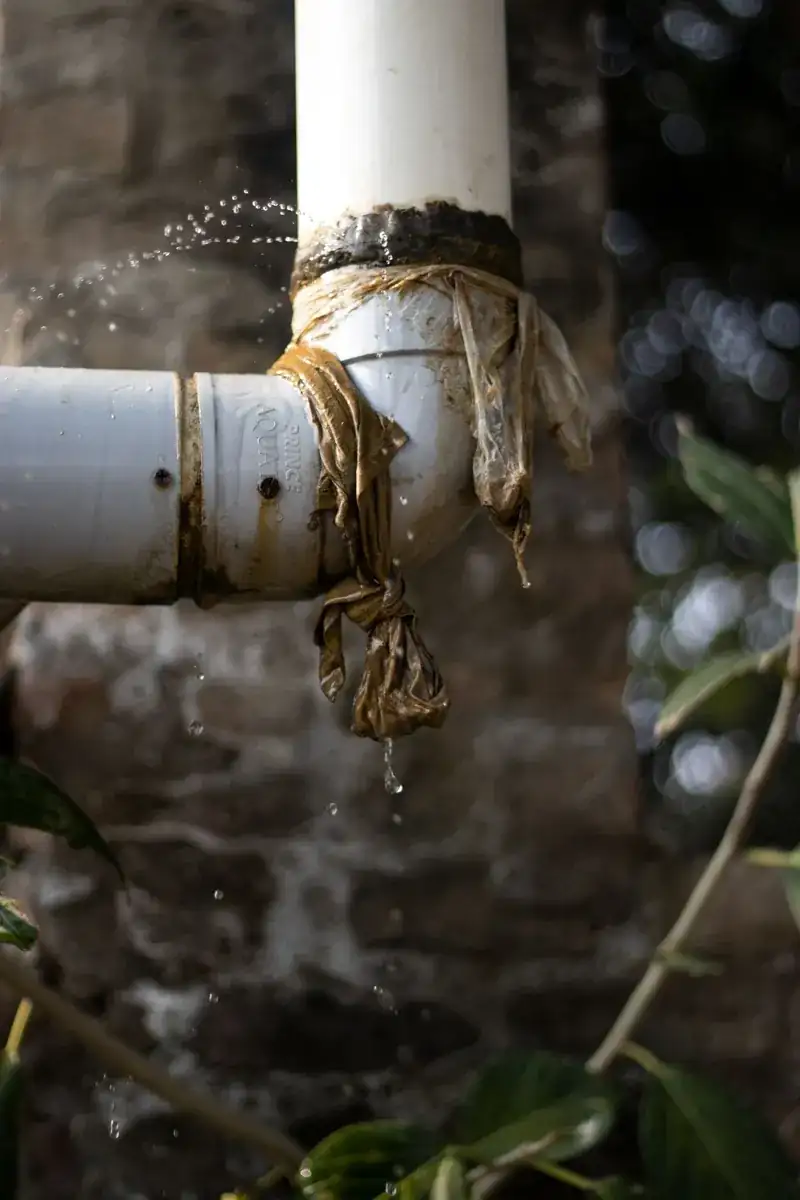
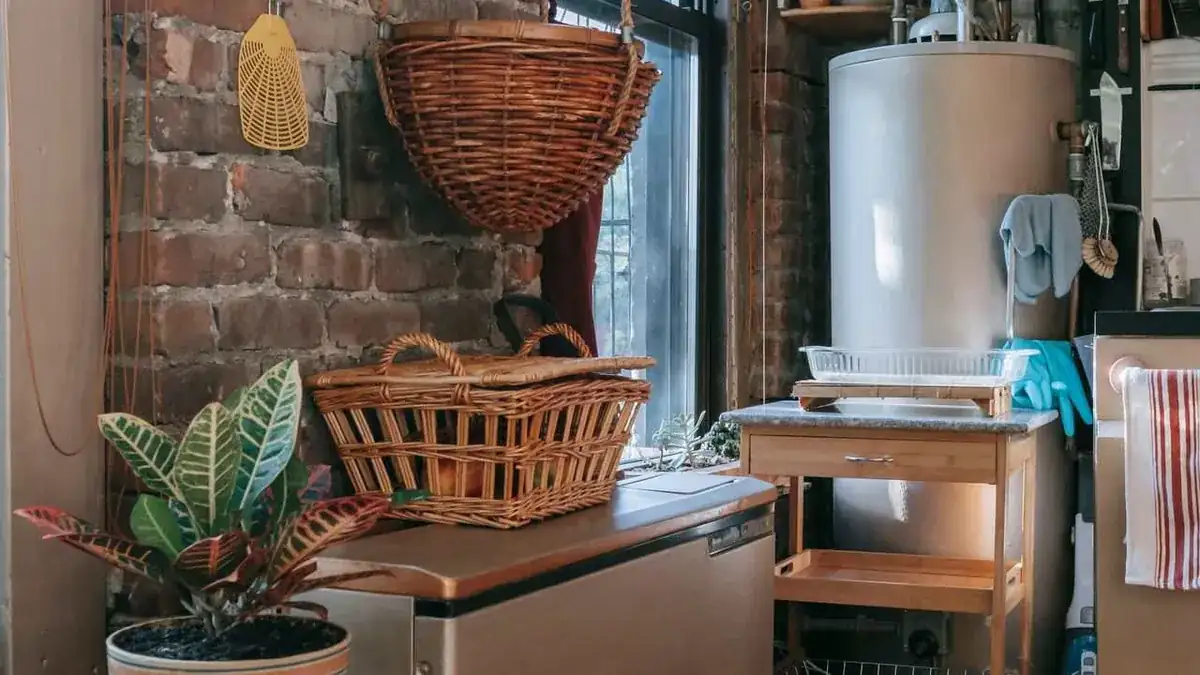
Water Heater Repair equipment used by Bend Plumbing Pros in Bend, OR
On The Job

How We Diagnose a Water Heater

Establish first whether the tank body has failed or a component has, because everything after that depends on the answer. You get the unit’s age, the repair cost and the replacement cost together, rather than a recommendation with the arithmetic left out.

Call (888) 616-9423
Typical Rates

Typical Water Heater Repair Pricing in Bend

General Bend-area ranges for budgeting — your exact price depends on access and on what we find. Call (888) 616-9423 for a free, specific estimate.

ServiceTypical Range
Diagnostic visit and minor repair$150 – $400
Heating element or thermostat (electric)$200 – $450
Thermocouple or gas control valve (gas)$200 – $600
Temperature & pressure relief valve replacement$150 – $350
Tank flush and sediment service$100 – $250
Full replacement, when repair is not worth it$1,400 – $3,500

Ranges shown are typical Bend-area market pricing for reference only, not a quote. Every job gets a free, upfront estimate before we start.

Questions

Frequently Asked Questions

Do you cover the area around Cascade Village Shopping Center?

Yes. Cascade Village sits in Bend's north side on Highway 97, which is inside our standard Bend service area. Call (888) 616-9423 and we will confirm your address and give you a realistic arrival window.

How quickly can you get to Bend's north side on Highway 97?

Most Bend calls get same-day service, and anything actively flooding or backing up moves ahead of routine appointments. Tell us what it is actually doing when you call — that sets the priority and tells us what to load on the truck.

Why do I suddenly have no hot water?

On a gas unit it is usually the pilot, thermocouple or gas control valve; on an electric unit, a failed heating element or thermostat. All of those are repairs rather than replacements, which is why it is worth a diagnosis before assuming the tank is finished.

My hot water runs out much faster than it used to. Is the tank too small?

Often it is a failed lower heating element or a dip tube problem rather than genuine undersizing — and those are cheap fixes. We diagnose before recommending a bigger tank, because replacing an adequate unit with a larger one does not fix a broken element.

There is water under my water heater. Is it repairable?

It depends entirely on where it is coming from. A leaking fitting or a discharging T&P valve is repairable. Water coming from the tank body itself means the steel has corroded through, and no repair brings that back — identifying which one you have is the first thing we do on site.

How long should a water heater last in Bend?

A conventional tank typically runs single-digit to low-teen years depending on use and maintenance. Bend’s median home dates to around 2001, so a lot of original tanks in this city are now past that window — worth knowing before you spend several hundred dollars repairing one.

Does Bend’s water cause sediment problems?

Less than most places. The municipal supply runs about one to one and a half grains per gallon, which is soft to slightly hard, so sediment builds more slowly here than the standard advice assumes. An annual flush is still worthwhile, but when a Bend tank fails it is usually age and corrosion rather than scale.

My water heater is in an unheated garage. Does that matter?

Yes, on two counts. It loses standby heat to cold air all winter, which costs you money and slows recovery. More importantly the cold inlet and the T&P discharge line are freeze-exposed, and a frozen discharge line blocks the tank’s safety path. Insulating both is inexpensive.

The relief valve keeps dripping. Can it just be replaced?

Sometimes, but not before finding out why. A weeping T&P valve is either a failed valve or a genuine overpressure condition, and those need opposite responses. It should never be capped or plugged — that is the one part of a water heater we treat as diagnose-now.

Should I repair or replace?

Repair when a component has failed on a tank with life left. Replace when the tank body has gone, or when the repair is a meaningful fraction of a new unit on a heater already past its service life. You get the age, the repair figure and the replacement figure, and the decision is yours.

Do you work on tankless units?

Yes. The diagnostic path is different — ignition, flow sensing and venting rather than elements and anode rods — but the principle is the same: find what actually failed before recommending anything.

Need Water Heater Repair Near Cascade Village Shopping Center?

Same-day availability across Bend, and a free estimate before any work starts.

(888) 616-9423 Request a Free Estimate
Call (888) 616-9423